
Content
Articles on the cognitive biases behind how people click, choose and buy, and how to apply them to marketing, UX and analytics.
Series
Cognitive biases in decision-making
Each article explains one bias, the research behind it and practical examples you can apply to campaigns, pricing and interfaces.
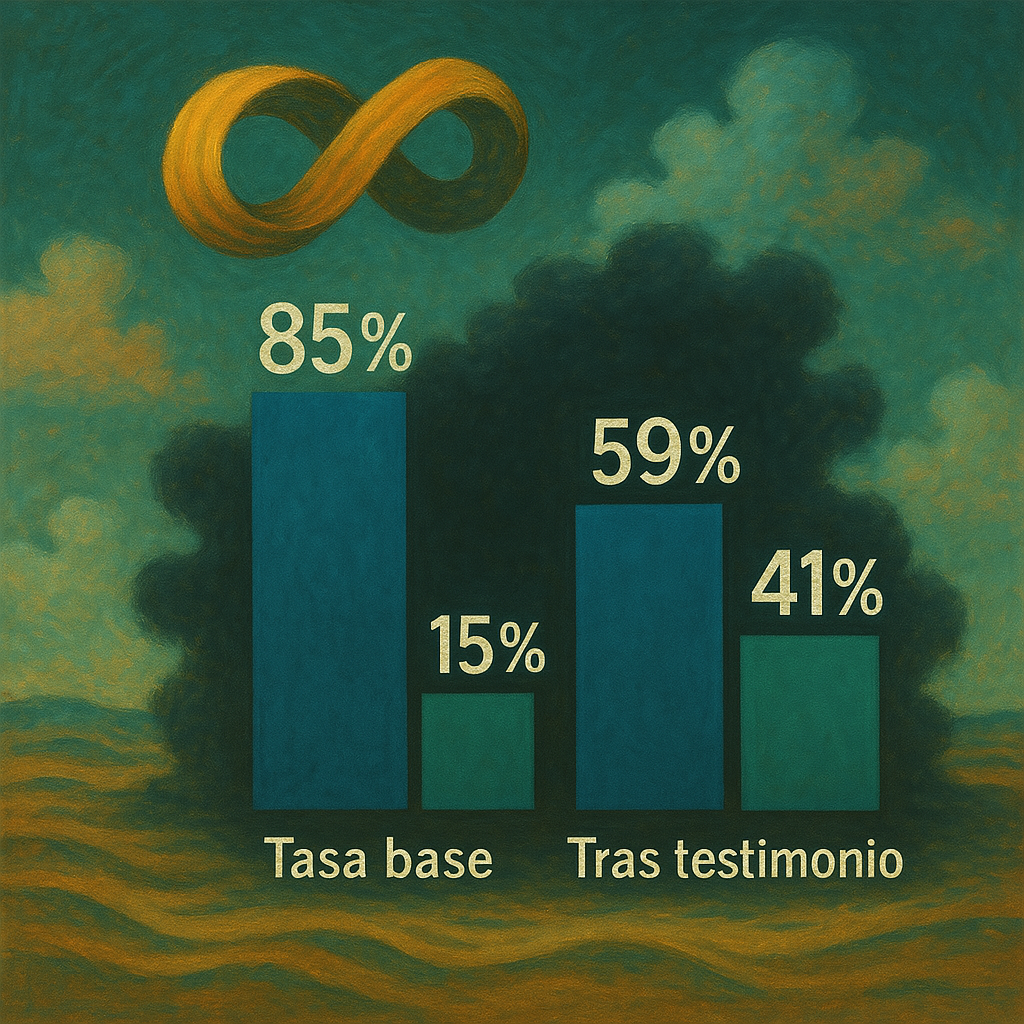
Probability · Data
The Base Rate Fallacy
Why we ignore the overall probability of an event and overweight specific information, and how it distorts diagnoses, data analysis and marketing.
≈ 15 min read
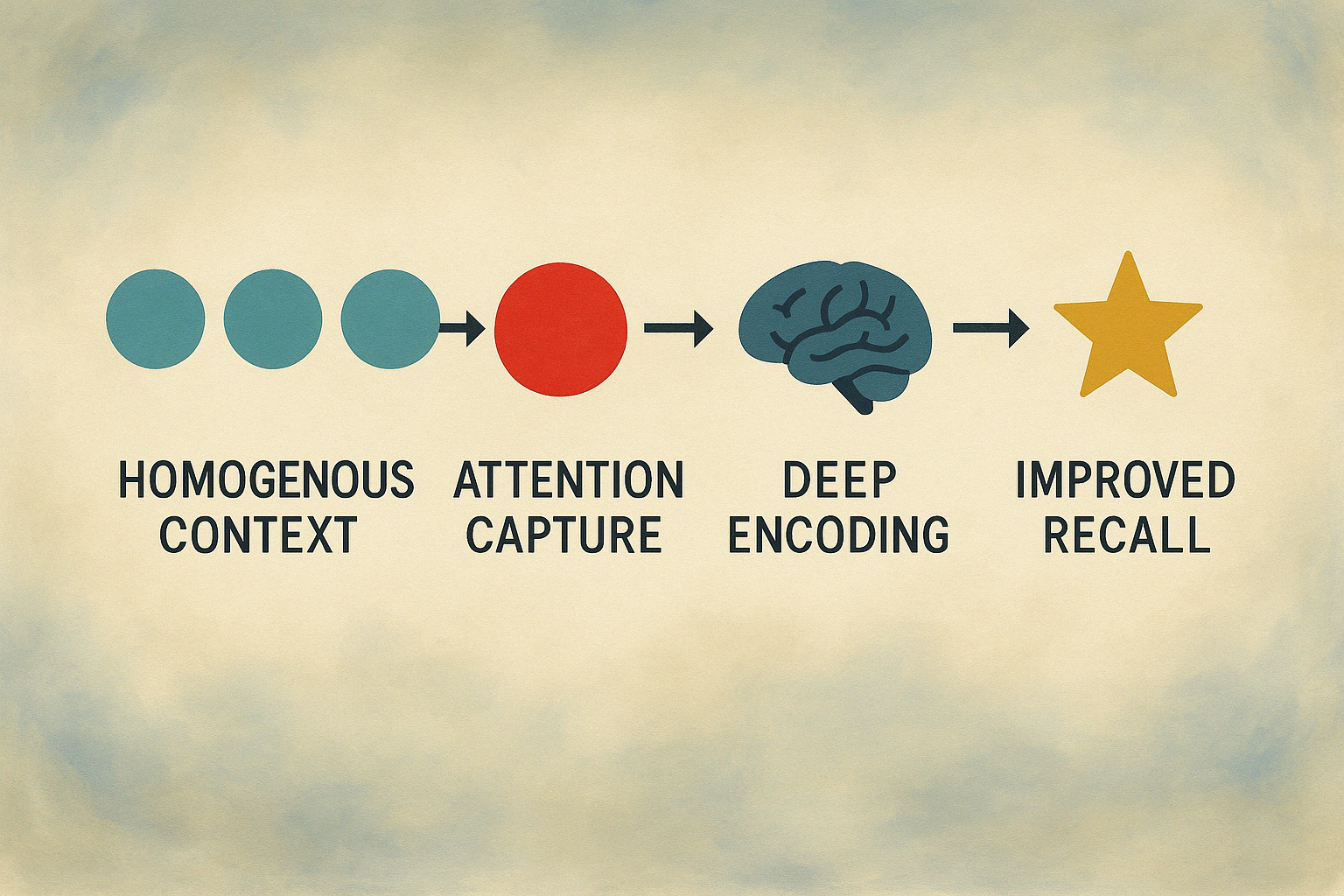
Memory · UX
The Von Restorff Effect
Why the item that stands out is the one we remember, from Apple’s “Think Different” to buttons, pricing tables and ads.
≈ 30 min read
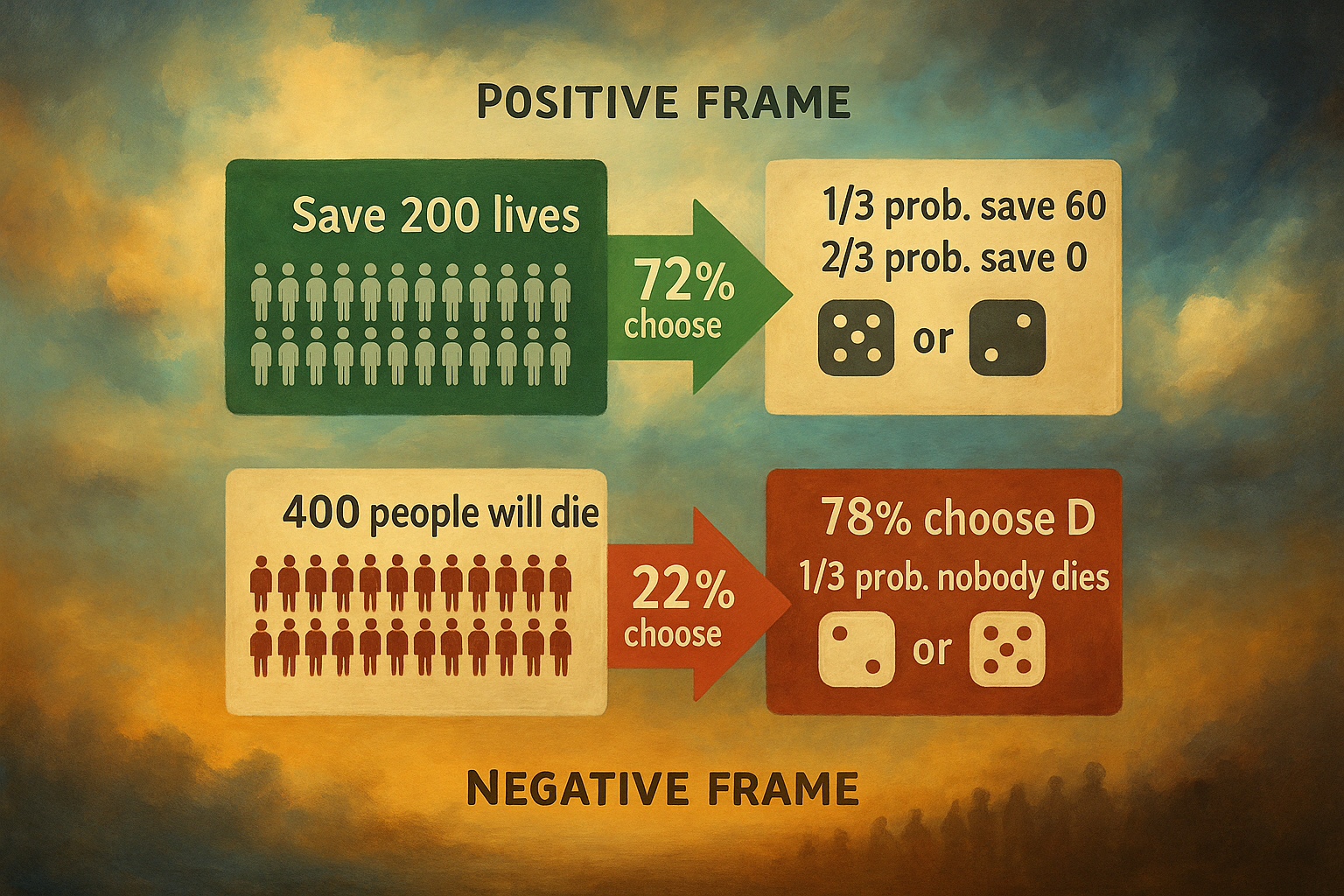
Choice · Pricing
The Framing Effect
How the same option feels better or worse depending on how it is presented, with examples for marketing, pricing and UX.
≈ 30 min read
Coming next in the series
One article per bias family, following the Cognitive Bias Codex: the most representative bias of each group and the one with the most practical use in marketing, UX and analytics.
Too much information
Confirmation biasBias blind spot
Not enough meaning
Insensitivity to sample sizeBandwagon effectHalo effectSurvivorship biasCurse of knowledgePlanning fallacy
Need to act fast
Dunning–Kruger effectHyperbolic discountingLoss aversionDecoy effectAmbiguity bias
What should we remember?
False memoryNegativity biasPeak–end ruleGoogle effect